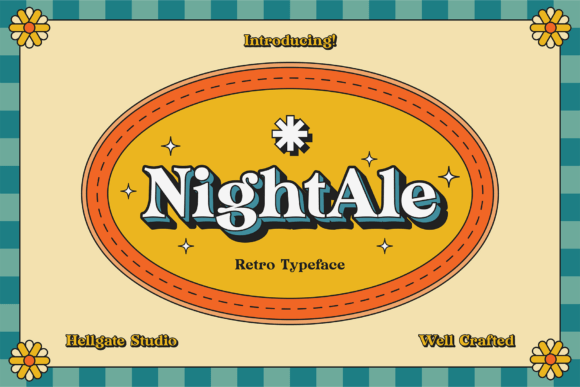
Command Attention with the Feeling Font
When a design needs to speak with a certain weight and mood, the typography choice becomes the foundation of the entire message. You're not just looking for letters; you're searching for a voice. This is where the Feeling font steps in. It’s a bold, evocative serif typeface built for projects that demand to be noticed, delivering a potent mix of authority and atmospheric depth right out of the box.
At its core, Feeling is engineered for impact. Its character is defined by firm vertical strokes and distinctive angular cuts, creating sharp edges that establish a strong visual rhythm. Think of it as the typographic equivalent of a tailored suit with a modern edge—it’s professional and structured, but with an unmistakable personality. This balance makes it a versatile display font that feels both contemporary and timeless. It’s a premium font that provides a solid foundation for projects where confidence is key.
Where Feeling Finds Its Voice
The true strength of Feeling lies in its ability to set a specific tone. Its design naturally leans into themes of modern mystery and urban sophistication. This isn't a playful script or a neutral sans serif; it's a typeface with a point of view. You'll see it excel in contexts that require a strong, memorable presence.
For cinematic posters and book covers, Feeling can instantly establish genre and mood. Paired with high-contrast, moody photography and a deep color palette, it pulls the viewer into a world of drama or intrigue. In high-impact branding, particularly for creative studios, boutique agencies, or luxury streetwear brands, it communicates cutting-edge credibility without saying a word. It’s a typeface that understands the power of a first impression.
Beyond these headline uses, its versatility extends into everyday professional applications. Consider using it for:
- Editorial Design: Crafting compelling titles for a digital magazine or a dramatic section opener in a print publication.
- Logo Design: Creating a wordmark that feels substantial and ownable for a new business.
- Packaging Design: Giving product labels on shelves a distinctive, premium feel that stands out from competitors.
- Social Media Graphics: Designing scroll-stopping headlines for campaigns or branded content that need to cut through the noise.
Practical Guidance for Using This Serif Font
Choosing a creative font like Feeling is about more than just liking how it looks in a specimen sheet. It’s about evaluating its fit within your entire design system and understanding how it will perform in real-world scenarios.
Evaluating Your Project's Fit
Start by asking what your project needs to say. If your goal is to convey friendly accessibility or handwritten warmth, Feeling might be too strong. But if you need to establish authority, sophistication, or a touch of dramatic flair, it’s an excellent candidate. It works exceptionally well for brands and publications targeting an adult audience that appreciates refined, confident aesthetics.
Testing Font Pairings and Hierarchy
A great typeface rarely works alone. Feeling is a powerhouse for headlines, so it needs a partner that can handle body copy with clarity. A clean, geometric sans serif font often makes the perfect companion, providing a neutral counterpoint that lets Feeling's character shine without overwhelming the page. When testing, create a simple mock-up with your headline, subhead, and body text. Check the visual hierarchy—does the eye flow naturally from the bold title to the supporting text? This pairing strategy is fundamental to creating professional, readable layouts.
Readability and Application Considerations
As a display font, Feeling is optimized for larger sizes where its sharp details and angular cuts can be fully appreciated. Using it for long paragraphs of small body text could compromise readability. Instead, reserve it for headlines, pull quotes, and other key typographic moments where its personality can have maximum effect. For web design, ensure it's used in a way that maintains legibility across different screen resolutions.
Licensing and Styles
When you invest in a commercial font, always review the licensing terms to ensure they cover your intended use, whether for a client's brand identity, web design, or packaging design. Also, check what styles are included. Does the Feeling family come with different weights or italics? Having access to a range of weights gives you more flexibility to create nuanced typographic hierarchies within your designs, from a delicate light version to a commanding bold.
Ultimately, Feeling is more than just a collection of letters. It's a design asset with a distinct personality. By understanding its visual strengths and applying it thoughtfully, you can leverage this serif font to create work that doesn't just communicate a message, but also commands the attention and respect of your audience. It’s a tool for designers who want their work to speak with a clear, confident, and memorable voice.