Amoris: Where Bold Retro Character Meets Modern Sans Serif Clarity
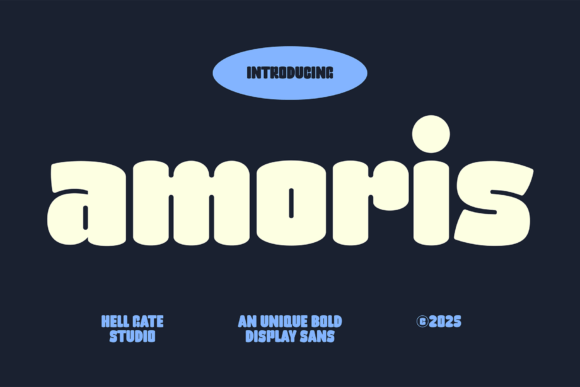
Finding a display font that feels both striking and usable is a common challenge. You want something with personality—something that stops a scroll or grabs attention on a shelf—but it also needs to function well in real design contexts. Amoris enters this space as a compelling option. It’s a standalone sans serif display font that merges a bold, retro sensibility with a clean, contemporary elegance. The result is a typeface that doesn’t just sit on a page; it communicates a specific mood: confident, stylish, and approachably vintage.
At its core, Amoris is a sans serif, but it avoids the sterile neutrality some associate with the category. Its letterforms feature generous, rounded proportions and subtle geometric influences that evoke mid-century advertising and vintage poster design. Yet, the construction is thoroughly modern—clean lines, consistent weight, and thoughtful spacing ensure it feels fresh rather than simply nostalgic. This balance is key to its versatility. It carries a retro flair without tipping into costume or parody, making it suitable for contemporary branding and design projects that want to inject character without sacrificing professionalism.
Where Amoris Shines: Practical Applications Across Projects
The true test of any premium font is how it performs in the wild. Amoris’s display font nature means it’s optimized for headlines, logos, and short bursts of impactful text. Think of it as your first impression specialist. In logo design, it provides a strong, memorable foundation. Its bold weight and unique style can form the centerpiece of a brand mark for a boutique coffee shop, a retro-inspired clothing line, or a creative agency looking to stand out.
For editorial design and packaging design, Amoris excels at creating hierarchy and drawing the eye. Use it for magazine cover lines, chapter titles, or product names on a label. Its high-quality render ensures that every curve and line remains crisp and beautiful, whether scaled up for a billboard or down for a product tag. This clarity is crucial for brand identity consistency across touchpoints. In web design and social media graphics, its bold presence ensures headers and call-to-action buttons don’t get lost. The included OpenType Format (OTF) file ensures seamless compatibility across different platforms and software, a practical necessity for today’s multi-device workflow.
Beyond commercial use, Amoris is a fantastic creative font for personal projects. Crafters can use it for standout vinyl decals, wedding invitations with a vintage twist, or personalized home décor. Bloggers and content creators will find it invaluable for creating engaging Pinterest pins, YouTube thumbnails, or Instagram stories that demand attention. Its user-friendly nature allows for effortless editing of text and color, which is a major plus when you’re iterating quickly on ideas.
Making It Work: Guidance for Choosing and Using Amoris
Adopting a new typeface requires a bit of strategy. First, evaluate the project fit. Amoris’s personality is bold and retro-modern. It’s a superb match for brands and projects aiming for a friendly, confident, or nostalgic vibe. It might be less suitable for ultra-corporate, minimalist, or highly traditional contexts where a neutral sans serif font or a classic serif font would be more appropriate. Always consider the message you need to convey.
Next, think about font pairing. A strong display font like Amoris often benefits from a more subdued companion for body text. Pair it with a simple, readable sans serif or a humanist serif to create a clear visual hierarchy. For example, use Amoris for all your headlines and a font like Open Sans or Lora for paragraphs. This contrast prevents visual competition and guides the reader’s eye naturally through your layout.
Practically, download and test the font files. The OTF format is widely supported, but it’s always wise to install it and test in your specific design software—whether that’s Adobe Creative Suite, Canva, Procreate, or even Microsoft Word. Check the readability of your intended text at the size it will be viewed. While it’s a display font, its clean construction means it can work for slightly longer subheadings if set at a reasonable size with adequate line spacing.
Finally, understand the licensing. Amoris is a commercial font, and its license will dictate how you can use it. Most licenses cover a specific number of users or projects. Review the terms to ensure your use—whether for a client’s brand identity, a product you sell, or your own blog—is compliant. This is a standard but critical step when investing in any design asset.
In the end, Amoris is more than just a collection of letters. It’s a modern typography tool designed to help you communicate with style and confidence. By understanding its strengths and applying it thoughtfully, you can leverage its unique blend of boldness and elegance to make your next project truly resonate with your audience.