Patan Retro Serif Font: A Designer's Guide to Authentic Vintage Style
There's a certain warmth to a well-chosen retro typeface. It doesn't just display words; it evokes a feeling, a specific moment in time. The Patan Retro Serif Font is a prime example of this. It’s a typeface that feels less like a digital tool and more like a carefully preserved artifact, thoughtfully engineered for the modern designer with a penchant for the past. Its charming serif demeanor isn't about being loud or overly decorative. Instead, it’s about character—the kind of subtle personality that makes a design feel authentic and considered. For anyone crafting a brand identity, designing an editorial layout, or creating social media graphics that need to stand out, understanding a font like Patan is a practical skill worth having.
The Anatomy of a Timeless Typeface
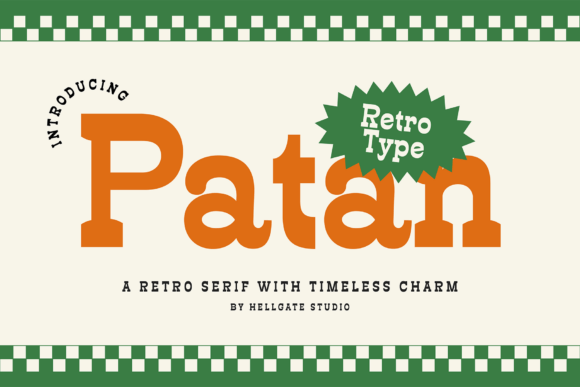
At its core, Patan is a premium display font that bridges the gap between classic elegance and mid-century modern simplicity. Its visual characteristics are defined by a balanced x-height, which aids readability, and sturdy, bracketed serifs that give it a grounded, dependable feel. The letterforms have a slight, almost imperceptible curve in their terminals, softening the overall look and preventing it from feeling rigid. This isn't a font that shouts; it speaks with a confident, clear voice. The real strength lies in its versatility. As a creative font, it’s designed to be a workhorse. The text is easily customizable, and its color palette can shift from muted, earthy tones for a nostalgic brand to vibrant, contrasting hues for a modern retro aesthetic. This makes it an exceptionally smooth and effortless choice for projects that require a distinctive edge without compromising on legibility.
Where Patan Truly Shines: Real-World Applications
Knowing where a font like Patan works best is key to unlocking its potential. It’s not a one-size-fits-all solution, but in the right context, it elevates a project from good to memorable.
- Branding and Logo Design: For small businesses, cafes, boutique shops, or artisanal products, Patan provides an instant sense of heritage and craftsmanship. It suggests quality and attention to detail, which is invaluable for brand perception.
- Editorial and Publishing: Think book covers for historical fiction or literary magazines. The font’s personality helps set the tone before a single word is read. It’s also excellent for pull quotes or chapter titles in a layout, creating a strong visual hierarchy.
- Packaging Design: On a label for craft coffee, artisan chocolate, or a specialty spirit, Patan communicates authenticity. Its clarity ensures the product name is readable, even from a distance on a crowded shelf.
- Digital and Web Design: Used strategically for headlines, hero sections, or call-to-action buttons, Patan can anchor a website’s entire aesthetic. It pairs beautifully with clean sans serif fonts for body text, creating a balanced and engaging user experience.
- Marketing and Social Media: In a feed of uniform, modern typography, a well-placed retro serif font is a stopper. It’s perfect for creating cohesive social media graphics, email headers, or digital ads that need to capture attention quickly and convey a specific vibe.
The font’s influence extends beyond mere decoration. It directly impacts readability—its generous spacing and clear letterforms make it comfortable for short to medium-length text blocks. It builds visual hierarchy, allowing a designer to guide the viewer’s eye exactly where it needs to go. Most importantly, it contributes to brand recognition and consistency. When used thoughtfully across all touchpoints, a distinctive font like Patan becomes synonymous with the brand itself.
A Practical Approach to Choosing and Using Patan
Selecting the right font is a design decision with tangible consequences. Here’s a practical guide to evaluating and implementing Patan in your workflow.
Evaluating Project Fit: Start with the project’s core message. Is it about nostalgia, reliability, or creative individuality? If the answer leans toward any of these, Patan is a strong contender. It’s less suited for ultra-minimalist, tech-forward brands but excels where personality is paramount.
Testing Font Pairings: A great font pairing is the backbone of solid typographic design. Patan’s retro character works best when contrasted with a neutral partner. A simple, geometric sans serif font for body text is a classic combination. For a more eclectic feel, pairing it with a subtle script font or handwritten font for accents can work, but this requires careful balance to avoid visual clutter.
Reviewing Included Styles: Before committing, check what’s included. A versatile typeface like Patan often comes with multiple weights (light, regular, bold) and sometimes alternates or ligatures. These extras are invaluable for creating nuanced designs and ensuring the font has enough range for your entire project.
Readability Considerations: Always test at the intended size. What looks elegant as a large headline might become illegible at 12 points for body copy. Use Patan primarily for display purposes—titles, headers, short labels—where its character can be fully appreciated without taxing the reader.
Commercial Licensing: For any project that will be seen by the public, from a client’s logo to merchandise for sale, you need a proper commercial license. Ensure the license covers your specific use case, whether it’s for digital, print, or both. Using a commercial font correctly is a mark of professionalism and protects both you and your client.
In the end, a font is a tool, and the Patan Retro Serif Font is a particularly well-crafted one. It’s for the designer who values story as much as style, the entrepreneur who wants their brand to feel rooted, and the creator who understands that the right letterforms can make all the difference. It doesn’t just complete a design; it enriches it with a layer of intentional, retro-inspired character.